

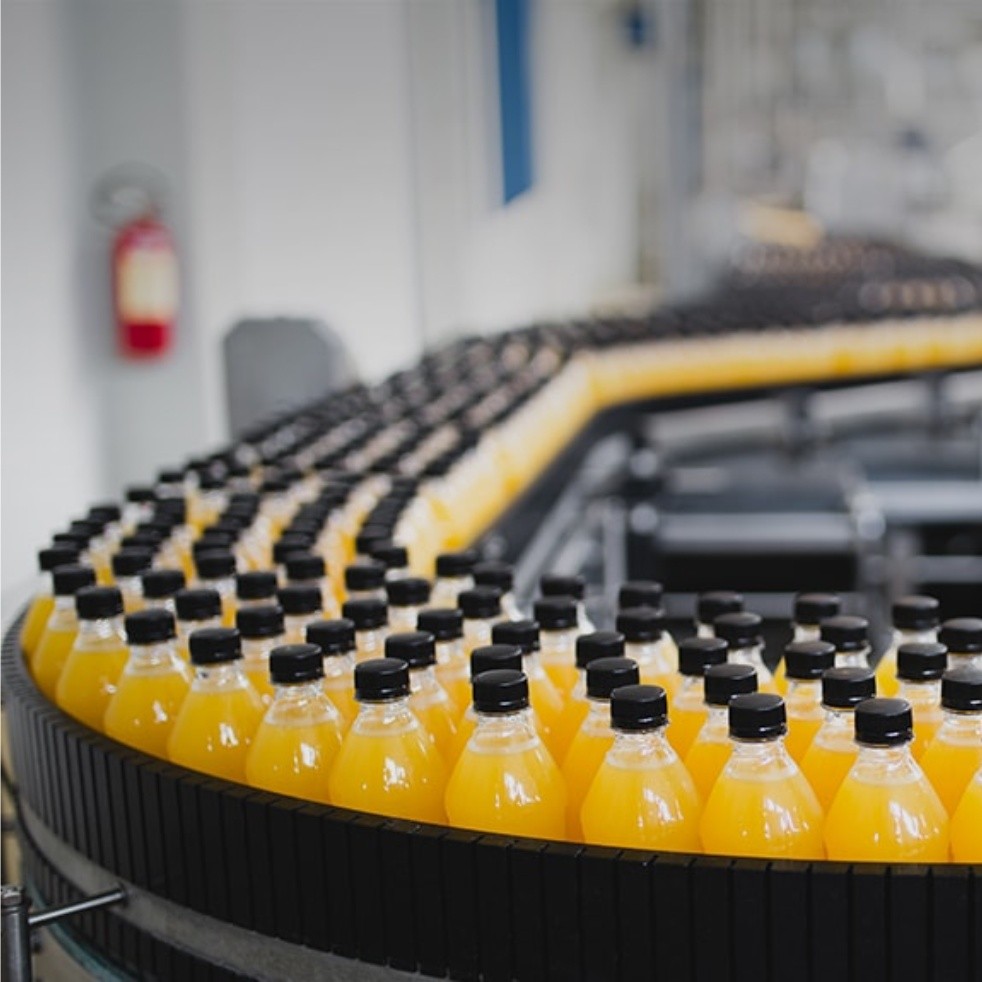
Freshness is one of the most important factors in the beverage industry. Whether the product is bottled water, juice, tea, soda, sparkling water, energy drink, or flavored beverage, customers expect a clean taste, stable quality, and safe packaging. For drink brands, freshness is not created by one single step. It depends on raw materials, processing control, packaging quality, and filling equipment working together.
A beverage may taste excellent after formulation, but if it is exposed to air, contamination, heat, or poor sealing during packaging, its quality can quickly decline. This is why modern beverage factories pay close attention to the full production process from preparation to final bottling.
Why Drink Freshness Matters
Freshness affects taste, aroma, appearance, and customer confidence. A fresh beverage should maintain its intended taste, appearance, and mouthfeel during storage and distribution. For juice and tea drinks, freshness may mean maintaining natural flavor and preventing oxidation. For carbonated drinks, it means keeping stable bubbles and avoiding flat taste. For bottled water, freshness is linked to cleanliness, purity, and safe sealing.
When freshness is not well controlled, several problems may appear. Drinks may develop an off-flavor, lose color, produce sediment, or suffer from microbial growth. In carbonated beverages, poor freshness control may also lead to CO₂ loss, foaming, or unstable pressure. These issues can damage brand reputation and increase product returns.
The Role of Packaging in Beverage Freshness
Packaging does more than hold the drink. It helps shield the beverage from outside factors that may affect its quality. The right bottle, cap, label, and sealing method help protect the drink from oxygen, light, dust, and leakage.
Different drinks require different packaging solutions. PET bottles are widely used for water, juice, tea, and soft drinks because they are lightweight, transparent, and cost-effective. Glass bottles are commonly chosen for premium drinks because they help preserve quality and create a more upscale appearance. Aluminum cans are common for carbonated drinks and energy drinks because they block light and help maintain product stability.
Bottle design also affects freshness. A bottle with poor strength may deform during filling, storage, or transportation. A poorly sealed cap can let outside air in or allow carbonation to leak out. For carbonated beverages, packaging must be strong enough to handle internal pressure. If the packaging cannot maintain pressure properly, the drink may lose its sparkling mouthfeel before reaching the customer.
How Filling Equipment Affects Product Quality
Filling equipment plays a direct role in beverage freshness because it controls how the drink enters the container. A good filling system helps reduce contamination, improve filling accuracy, control foam, and ensure stable sealing.
Oxygen exposure can affect flavor and shorten shelf life, especially for juice, tea, and flavored drinks. Accurate filling also matters because underfilled bottles may look unprofessional, while overfilled bottles can cause waste and sealing problems.
For bottled water and non-carbonated drinks, an integrated rinsing, filling, and capping system can improve production efficiency and hygiene. A 3-in-1 filling machine combines these steps in one compact system, helping reduce manual handling and improve production consistency.
For sparkling beverages, pressure control is especially important. A carbonated filling machine is designed to fill drinks under controlled pressure conditions, helping reduce foam and maintain CO₂ content during bottling.
The Link Between Freshness and Sealing
After filling, sealing is one of the most critical steps. Even if the drink is processed and filled correctly, poor capping can ruin the product. A weak seal may allow oxygen to enter, liquid to leak, or carbonation to escape.
In beverage production, capping torque must be stable. If the cap is too loose, leakage and contamination may occur. If it is too tight, the bottle or cap may be damaged, and customers may find it difficult to open. A reliable filling line should maintain consistent capping performance across high-speed production.
Sealing quality also affects transportation. Drinks are often stored, loaded, shipped, and displayed under changing conditions. Strong sealing helps products survive these stages while keeping taste and safety stable.
Hygiene and Shelf Life
Freshness is closely related to hygiene. Beverage filling equipment should be easy to clean and maintain. Stainless steel contact parts, sanitary pipelines, clean filling valves, and proper cleaning systems all help reduce contamination risks.
Regular cleaning prevents beverage residue from contaminating future production batches. Poor hygiene may lead to microbial growth, bad odor, or unstable product quality.
Shelf life depends on both formulation and packaging conditions. Pasteurization, sterilization, filtration, filling temperature, and sealing quality all influence how long a beverage can remain safe and fresh. Good equipment helps manufacturers control these factors more consistently.
Why Beverage Brands Need a Complete View
Some companies focus only on recipe development or bottle appearance, but long-term product quality requires a complete view. Freshness depends on how the drink is made, how it is filled, how it is sealed, and how the package protects it afterward.
For startups, choosing suitable equipment early can reduce future production problems. For growing beverage factories, upgrading filling and packaging systems can improve output, reduce waste, and support more stable product quality.
Conclusion
Drink freshness, packaging, and filling equipment are closely connected. Freshness starts with a good beverage formula, but it is protected by suitable packaging and reliable filling technology. Good packaging prevents leakage, oxidation, and gas loss, while proper filling equipment supports hygiene, accuracy, and production stability.
For beverage brands, freshness is not only a technical goal. It is also part of customer experience and brand trust. A drink that tastes fresh, looks clean, and stays stable on the shelf can help a brand stand out in a competitive market.