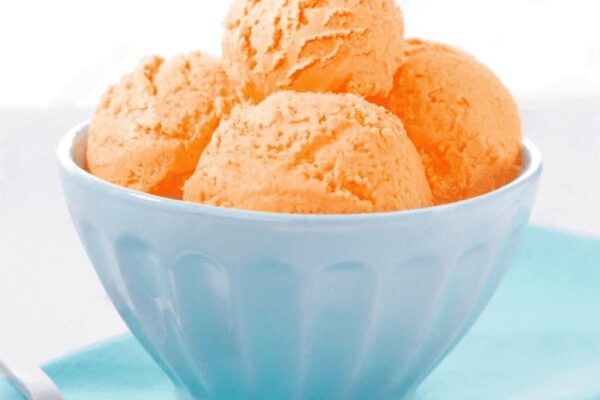

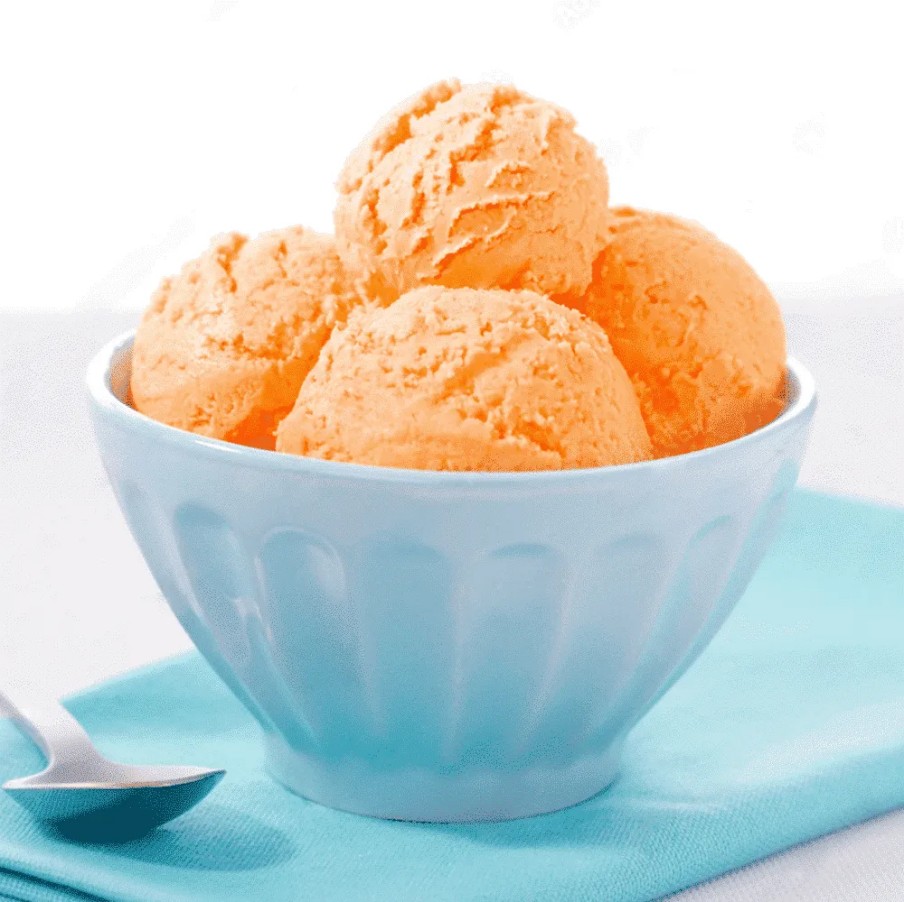
Ask a product developer why a natural orange is difficult, and the answer is usually a sigh. Orange sits between yellow and red, and no single pigment lands on the right shade for every product. Choosing a natural orange food color means deciding which compromise suits your base, your process and your shelf.
Why Is There No Single Perfect Orange?
Natural pigments tend to cover a narrow slice of the spectrum. Carotenoids lean yellow, red-orange sources lean warm and deep, and neither reaches the whole middle ground alone.
Even the same pigment shifts shade with concentration. A weak dose looks yellow, a strong one drifts toward red. Dosing strategy matters more than most buyers realize.
Which Pigment Does the Heavy Lifting?
For juicy yellow-orange tones, beta carotene food coloring is the usual starting point. It is a carotenoid found in carrots, naturally oil-soluble, and sold as emulsions or beadlets that disperse in water.
Its weak points are light and oxygen. Good packaging and a sensible shelf-life target protect it, and many beverage and dairy products rely on it for exactly that reason. Pairing it with a protective package goes a long way.
What About Annatto and Paprika?
Annatto leans yellow-orange and works in both water-based and fat-based systems, depending on the form. Paprika oleoresin brings a red-orange warmth and is oil-soluble. Used in combination, they cover more ground than either alone.
Neither is a one-size answer. Annatto can be sensitive to acid in some forms, and paprika’s oil base limits where it can go. Test them in the actual base before narrowing the field.
Can You Blend Your Own?
Mixing a yellow and a red source is a common way to hit an exact shade. It gives control, and it lets you fine-tune between batches.
The catch is differential fading. If the yellow component fades faster, the product slowly turns pink. Test blends over time, not only on the day they are made. Keep notes on the ratio so the blend can be rebuilt exactly.
Which Orange for Which Product?
A fruit drink wants brightness and transparency, a cheese snack wants a deeper, savory tone, and a gummy wants clarity that can survive cooking and acid.
Write the target in plain words before choosing sources. ‘Ripe apricot, slightly muted’ guides development better than a color code alone. The description gives suppliers something specific to aim at.
Orange in Savory and Snack Products
Seasonings, coatings and fried snacks lean on fat-friendly pigments. Paprika and annatto in oil-compatible forms spread evenly on a warm, oily surface and deliver the deeper, warmer shade people link with savory flavors.
Watch the moisture of the finished snack. Water uptake changes surface color and can leave pigments looking blotchy after a few weeks in the bag.
Why Does My Orange Turn Pink or Yellow?
Hue drift almost always comes from one pigment in a blend fading faster than another. Light, heat and oxygen rarely hit every component equally. Light often does most of the damage, but heat plays a part.
Keep a retained sample beside each production batch. Checking it monthly shows direction of drift long before a customer sees it.
Matching Across Batches
Raw materials vary slightly, so batch matching needs a measured target. A colorimeter reading, recorded in the specification, beats an adjective. Spreadsheets of measured values help new team members as well.
Set an acceptable range, not a single point. Realistic tolerances keep production moving without letting the shade wander. Patience here saves expensive recalls later.
Shelf-Life Tests That Reveal the Truth
Store finished product in final packaging under light and at warm temperatures. Look at it weekly beside a fresh reference sample. Include a warm-storage sample to speed up the readout.
Do not stop at the first month. Some oranges look fine for four weeks and fall apart in the sixth.
Talking to Your Supplier About Orange
Bring the target, the base, the process and the expected shelf life. Suppliers can only suggest a blend if they know where it will live, and vague briefs invite generic answers.
Ask for two or three options with different trade-offs, such as one brighter and one more stable. Comparing them side by side is the fastest way to find the right balance.
The Orange Verdict
Orange rewards patience and testing. Choosing sources by application, blending with care and measuring drift over time gets you a shade that looks right on the shelf as well as in the lab. Test the blend, not just the ingredients.
Product teams can compare source options and application notes at foodrgb.com when planning a first round of orange samples.