
Key Takeaways
- Mapo Tofu originated in the 19th century in Chengdu, created by a woman whose pockmarked face gave the dish its famous name.
- The authentic recipe relies on seven distinct flavour characteristics, including numbing, spicy, hot, and aromatic profiles.
- Modern versions in Singapore often combine traditional Sichuan techniques with premium ingredients to meet the standards of high-end dining.
Introduction
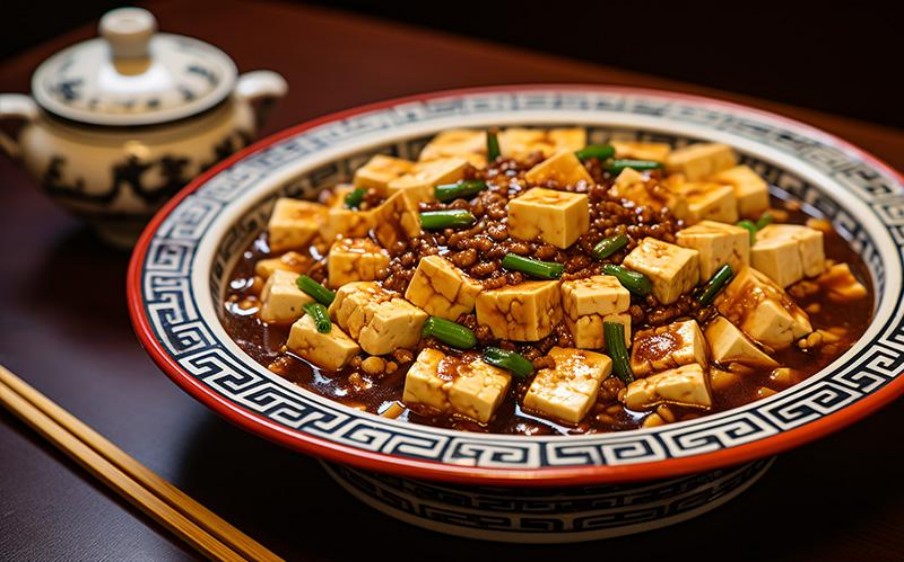
Few dishes are as globally recognised and beloved as Mapo Tofu. This humble combination of silken curds, minced meat, and a fiery sauce has travelled far beyond its origins in the Sichuan province of China. When you take a bite of authentic mapo tofu in Singapore, you are not just eating a meal; you are experiencing centuries of culinary history. The dish is a masterclass in the balance of textures—the softness of the tofu contrasting against the chew of the meat and the sharp bite of the peppercorns. It is a comfort food that demands attention, waking up the palate with its signature heat and complexity.
The Legend of the Pockmarked Woman
The history of this dish is as colourful as the sauce itself. Legend has it that the recipe was created during the Qing Dynasty by a woman named Mrs Chen, who ran a small eatery in Chengdu. Because she had pockmarks on her face, she was known as “Chen Ma,” and the tofu she served became known as “Mapo Tofu”—literally, the tofu of the pockmarked old woman. Her shop was located near a bridge where labourers and oil porters often stopped. These workers would bring their own beef and oil, asking her to cook them something hearty and flavourful.
Mrs Chen developed a method of cooking the tofu in a rich, spicy bean paste that was both affordable and deeply satisfying. Her creation quickly gained popularity among the locals, eventually becoming a staple of the region. What started as a simple meal for workers eventually found its way into the imperial courts and, much later, into the menus of any Michelin Chinese restaurant in Singapore. It is a testament to the dish’s power that it has remained relatively unchanged in its core philosophy for over a hundred years, proving that true quality is timeless.
The Seven Pillars of Mapo Tofu
To truly appreciate this classic, one must understand the specific characteristics that define an authentic version. Traditionalists insist on seven key traits: “Ma” (numbing), “La” (spicy), “Tang” (hot), “Xian” (fresh), “Nen” (tender), “Xiang” (aromatic), and “Su” (flaky). The numbing sensation comes from high-quality Sichuan peppercorns, which create a tingle that prepares the tongue for the spice. The spice itself comes from Doubanjiang, a fermented broad bean paste that has been aged to develop a deep, umami-rich flavour profile.
The “hot” aspect refers to the temperature; the dish is traditionally served piping hot to keep the oils fluid and the aromas rising. The tenderness is found in the tofu, which should be soft enough to melt in the mouth but firm enough to hold its shape. The aromatic quality comes from a final splash of leek oil or a garnish of fresh garlic sprouts. When you find mapo tofu in Singapore that hits all these marks, you know you are dealing with a kitchen that respects the craft. It is a complex puzzle where every ingredient must play its part perfectly.
Modern Innovations and Global Reach
While the traditional recipe remains the gold standard, modern chefs have found ways to innovate without losing the dish’s essence. Some choose to use premium proteins like hand-chopped wagyu beef or even seafood like lobster to elevate the experience. Others focus on the fermentation process of the bean paste, sourcing artisanal batches that have been aged for several years. This dedication to ingredient quality is what you expect when dining at a Michelin Chinese restaurant in Singapore, where every component is scrutinised for excellence.
The global popularity of the dish has also led to regional variations. In Japan, for instance, the sauce is often slightly sweeter and less numbing to suit local tastes. However, the trend is currently swinging back toward “authentic” flavours as diners become more adventurous and seek out the true Sichuan experience. People now actively look for that intense, lip-numbing sensation that only real peppercorns can provide. This search for authenticity has helped elevate Mapo Tofu from a simple home-style dish to a celebrated piece of culinary art found in the most prestigious dining rooms.
The Secret in the Sauce
What truly sets a great version apart from a mediocre one is the quality of the chilli oil and bean paste. The oil should be a vibrant, clear red, infused with the essence of dried chillies and spices. It shouldn’t just be greasy; it should be fragrant and carry a subtle sweetness. The fermentation of the broad beans adds a layer of “funk” that provides the necessary depth. Without this fermentation, the dish is just spicy; with it, the dish becomes a complex, savoury masterpiece that lingers on the palate long after the meal is over.
Furthermore, the technique of “velveting” the tofu—blanching it in salted water before it hits the pan—is crucial. This prevents the tofu from breaking apart during the final stir-fry and allows it to absorb the flavours of the sauce more effectively. It is these small, professional touches that separate a home-cooked meal from a restaurant-quality dish. When done right, the sauce should coat each cube of tofu perfectly, creating a glossy, inviting appearance that is impossible to resist. It is a dish that appeals to all the senses simultaneously.
Conclusion
Mapo Tofu is more than just a spicy dish; it is a symbol of Sichuanese resilience and creativity. From its humble beginnings in a Chengdu roadside stall to the heights of fine dining, it continues to capture the hearts of food lovers everywhere. Its ability to balance intense heat with delicate textures is what makes it a true culinary classic. Whether you prefer the traditional beef version or a modern twist, the “Ma La” experience is something every diner should try. If you are looking to taste the best mapo tofu, you should contact Chen’s for an authentic treat.