
Key Takeaways
- Mass-produced dairy often lacks the complex flavour profiles found in artisanal, small-batch varieties.
- Proper storage and serving temperatures are crucial for unlocking the full aromatic potential of high-quality products.
- Visiting a specialised venue allows you to sample rare varieties that are not typically available in local supermarkets.
Introduction
For many food enthusiasts, the journey into the world of fine dairy often begins with a simple realisation that not all products are created equal. If you have been settling for the plastic-wrapped, processed blocks found in the supermarket aisle, you are likely missing out on the rich heritage and diverse textures available. The market for premium cheese in Singapore has grown significantly, offering residents access to world-class varieties from Europe and beyond. However, relying on subpar options can lead to a dull culinary experience, where every slice tastes remarkably similar and lacks the “soul” of traditional cheesemaking.
The Problem with Processed Alternatives
Mass-produced cheeses are often designed for a long shelf life and consistent, albeit mild, flavour. This is achieved through pasteurisation and the addition of preservatives, which can strip away the delicate nuances provided by the local flora of the region where the cheese was produced. When you choose to explore artisanal cheese, you are opting for products made with traditional methods, often using raw milk and natural cultures. These methods result in a product that evolves over time, developing unique earthy, nutty, or floral notes that processed versions simply cannot replicate.
Furthermore, processed dairy often contains emulsifiers and vegetable oils that change the way the product melts and feels on the tongue. This can be particularly disappointing when you are trying to create a gourmet meal at home. The difference in quality is not just a matter of taste but also of texture. A real Brie should be creamy and slightly runny at room temperature, while a true aged Parmigiano-Reggiano should have a delightful crystalline crunch. These sensory details are what make the experience of eating fine dairy so rewarding.
Discovering the Magic of a Specialised Venue
If you want to truly elevate your understanding of dairy, there is no better way than spending an evening at a dedicated cheese restaurant in Singapore. These establishments are curated by experts who understand the science and art of “affineur” work, the ageing of cheese. In such a setting, you are not just eating a meal; you are being taken on a guided tour of different regions and styles. The staff can explain the difference between a goat’s milk cheese from the Loire Valley and a sheep’s milk variety from the mountains of Spain.
A cheese restaurant in Singapore also provides the perfect environment for these products to be enjoyed as intended. They are served at the correct temperature, which is essential for the fats to soften and release their aromas. Additionally, these venues offer expertly selected accompaniments, such as artisanal honey, dried fruits, and specific types of bread that complement the flavours of each wedge. This holistic approach ensures that you experience the full potential of every bite, something that is difficult to achieve when snacking at home.
The Art of Pairing and Presentation
One of the most exciting aspects of high-quality dairy is learning how to pair it with other flavours. The right pairing can transform a good cheese into something extraordinary. For example, the sharp blue veins of a Roquefort are beautifully balanced by the sweetness of a late-harvest wine or a dollop of fig jam. Conversely, a hard, aged mountain cheese might pair best with a handful of toasted walnuts or a crisp apple. Learning these combinations allows you to host more sophisticated gatherings and appreciate the complexity of your food.
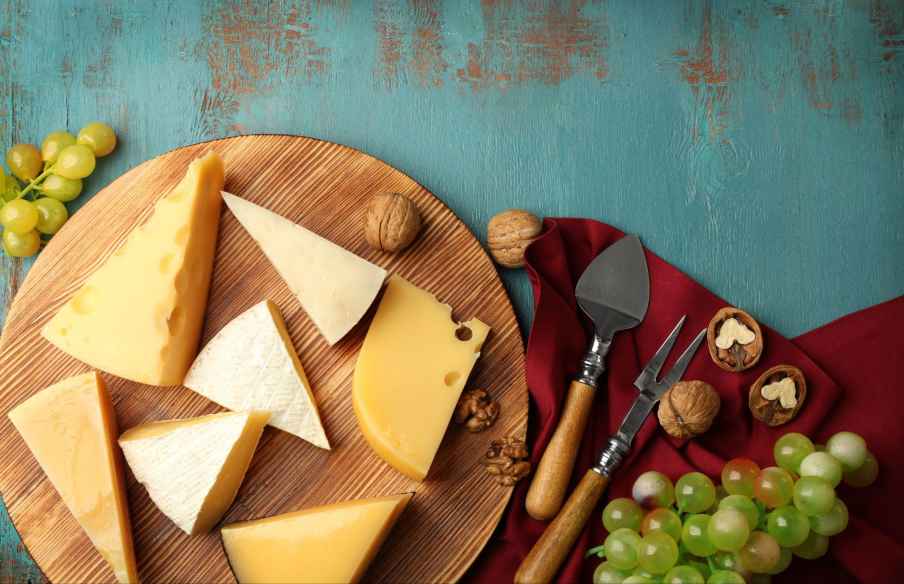
Presentation also plays a role in the enjoyment of cheese in Singapore. A well-curated board should feature a variety of textures: soft, semi-hard, and hard, as well as a range of milk types. Using the correct knives for different textures ensures that you don’t crush a delicate soft cheese or struggle with a firm one. Taking the time to arrange your selection beautifully makes the act of eating feel like a special occasion, encouraging you to slow down and savour the different flavour profiles on offer.
Building a Better Palate through Education
Expanding your palate is a gradual process of trial and error. Don’t be afraid to try something that smells a bit “funky” or looks different from what you are used to. Often, the cheeses with the strongest aromas have the most complex and rewarding tastes. Engaging with local cheesemongers or attending tasting workshops can provide you with the knowledge needed to make better purchasing decisions. You will learn how to identify a cheese that is at its peak ripeness and how to store it correctly at home to maintain its quality.
Conclusion
Moving away from low-quality dairy is about respecting the craftsmanship that goes into traditional food production. When you support artisanal producers, you are helping to preserve ancient techniques and regional identities. This connection to the source of your food adds a layer of satisfaction that goes beyond simple nutrition. Whether you are buying a small wedge for a quiet night in or visiting a cheese restaurant for a celebration, choosing quality over quantity will always result in a more memorable experience. The variety of cheese in Singapore offers a world of discovery for those willing to look beyond the supermarket shelf. To truly appreciate the nuances of these artisanal products, consider the expert curation found at a dedicated venue.
Contact Cheeselads to explore a world of premium dairy and curated tasting experiences.